
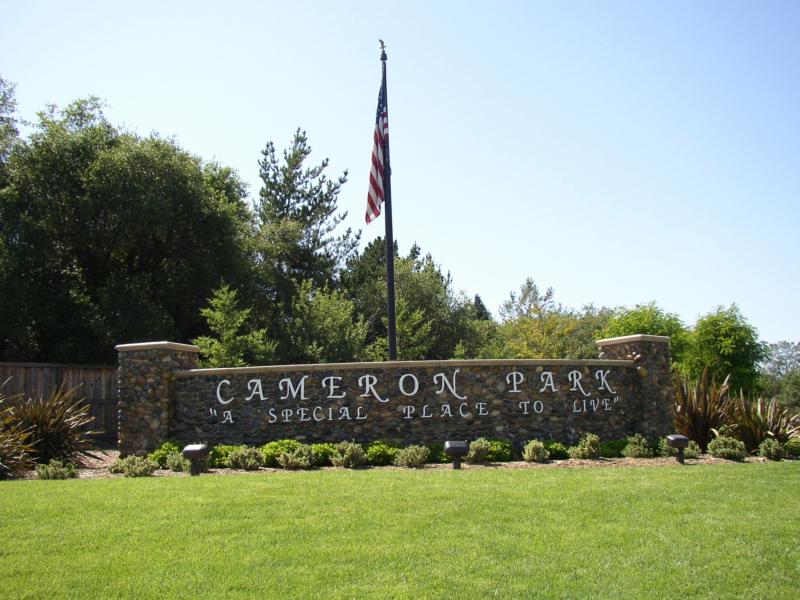
Why Did My Neighbor’s Home Sell for More? 7 Difference Makers in Cameron Park, CA
If you have ever watched a home down the street sell quickly and close for a number that made you do a double take, you are not alone.
This is one of the most common seller questions in Cameron Park, especially for homeowners thinking about listing soon. On the surface, it feels like the comparison should be simple. Same area. Similar square footage. Same general era of homes. Maybe you even share the same builder and the same basic floor plan.
But buyers do not shop for “a neighborhood.” They shop for a specific home that feels like the best fit for their life. And in a place like Cameron Park, those small differences can add up fast.
That is the core idea behind this entire article: not all homes are created equal, even when they look similar on paper. The gap is usually explained by three things:
Condition: what buyers think they will need to fix, replace, or live with
Amenities: what makes a home feel more comfortable, more functional, or more fun
Location: not just “Cameron Park,” but the exact street, setting, and surroundings
Let’s break down the seven difference makers that most often explain why your neighbor sold for more, and how to use that info to position your home the right way.
Key takeaways
The neighborhood sets the ballpark, but the home sets the price. Two houses can be close in size and still land in different price ranges based on condition, layout, and setting.
Micro-location matters in Cameron Park. A busy street versus a quieter street, or a tucked-away pocket versus a cut-through road, can change buyer demand quickly.
A usable lot is a premium feature. Buyers pay more for outdoor space they can actually use, not just “extra dirt” they have to manage.
RV access and storage can create real separation. Even buyers who do not own an RV tend to value the flexibility and convenience.
Strategy still counts. Presentation, pricing, and negotiation can widen (or shrink) the gap between two homes that seem similar.
Why your neighbor’s home sold for more (7 difference makers)
1) Micro-location: same community, totally different daily experience
Most sellers think location is a big, broad thing. Buyers don’t. Buyers experience location in the first 10 seconds, starting at the curb.
In Cameron Park, a home can be “in the right area” and still feel very different depending on things like:
Is it on a busy road or near a cut-through street?
Is it tucked into a quiet loop or cul-de-sac?
Does it have driveway privacy, or is it wide open to passersby?
Do you step outside and hear traffic, or mostly… nothing?
Here’s why this matters: buyers may be flexible on finishes, but they are not flexible on certain lifestyle factors. Road noise, traffic flow, and the feeling of privacy are not things they can remodel away.
How this shows up when two homes compete:
The quieter-feeling home typically gets more showings.
It feels more relaxing, so buyers linger longer during tours.
Less pushback means stronger offers, cleaner terms, and fewer negotiation battles.
If your home is on a busier street, it can still sell well. It just needs to win in other categories, and it needs to be marketed with intention. More on that in the action plan section below.
2) Lot usability: buyers pay for function, not just size
In Cameron Park, a “great lot” is not always the largest lot. It is the lot that lives well.
A smaller yard that is flat, usable, and set up for real life often outperforms a bigger yard that feels awkward, steep, or high-maintenance.
Buyers notice things like:
Can kids or dogs run without obstacles?
Is there a natural space for a table and a grill?
Can you see a clear spot for a garden, a play area, or a firepit?
Does the yard feel private, or do you feel on display?
Small details that can create a price gap:
A clean, secure fence line that feels “ready”
Clear zones (lounge area, dining area, garden, play)
Trimmed edges and simple landscaping that feels manageable
Easy flow from the main living area to the backyard
When your neighbor’s lot is more functional, buyers do not just “like it more.” They also tend to mentally justify paying more because they feel like they are upgrading their lifestyle.
3) RV access and storage: the “where do I put my stuff?” premium
This is a big one in Cameron Park, and if you have it, it deserves real attention in your listing.
RV access, side-yard parking, a wide driveway, an oversized garage, a third bay, or even a genuinely useful shed setup can create a noticeable separation between two otherwise similar homes.
And the funny part is this: not every buyer owns an RV, but most buyers love options.
What buyers are really paying for is:
Convenience (less daily parking stress)
Hobby support (tools, gym gear, boat, trailer, toys)
Future flexibility (they might not need it today, but they like knowing it is possible)
How to make RV access actually show up in your sale price:
Clear the side yard so access is obvious.
If you have a gate, make sure it looks solid and intentional.
Photograph storage spaces like they matter (because they do).
Use clear wording in marketing: “RV possible,” “side-yard access,” “oversized garage,” “workshop potential.”
Your neighbor may have sold for more simply because buyers felt like their home solved more “real life” problems.
4) Airpark Estates effect: niche lifestyle can create a premium
If your neighbor sold in a pocket like Airpark Estates (or another niche area with a specific lifestyle hook), that can influence pricing in a way that feels unfair until you understand it.
Niche neighborhoods can attract a more specific buyer. Sometimes that buyer pool is smaller, but it can also be more motivated. Motivated buyers pay for the thing they cannot easily replicate.
What that means in plain English:
A home tied to a unique lifestyle can be compared differently.
Buyers searching for that niche might stretch more to get in.
Marketing matters more because the right buyer might be relocating or searching wider.
If your home is not in that niche pocket but your neighbor’s is, part of the gap may simply be demand for that lifestyle.
5) Condition: “taken care of” sells for more, even without luxury upgrades
Condition is one of the biggest reasons two similar homes sell for very different prices.
Condition is not just “updated versus not updated.” It is the overall feeling of care.
Buyers pay more when a home feels like it has been maintained, even if it is not trendy. And they discount a home that feels like it comes with a long to-do list, even if they love the location.
Condition concerns that quietly reduce offers:
Roof that looks worn or near end-of-life
HVAC that looks old or questionable
Stains, soft spots, musty smells, or visible water history
Peeling paint, tired trim, dry rot signs
Doors and windows that stick (buyers read this as a bigger story)
Here’s the psychology: buyers do not just think “repair cost.” They think “risk.” And risk gets discounted.
If your neighbor’s home felt clean, solid, and cared for, they likely earned a premium even if their finishes were only average.
6) Amenities: the features that create emotion and urgency
Amenities create the “I want this one” reaction.
That reaction is what produces:
Faster decisions
Cleaner offers
Less price sensitivity
More competitive terms
In Cameron Park, the amenities that often move the needle are not always expensive. They are the ones that make daily life feel better.
Think:
Outdoor living that feels like a second living room
A bright, functional kitchen (it does not need to be luxury)
Natural light and a layout that flows
A primary suite that feels calm and comfortable
A backyard that feels ready for gatherings
A neighbor’s home often sells for more because it feels easy to say yes to. And amenities are a major part of that.
One simple truth: buyers pay more for what photographs well and shows well. Even modest improvements can change the entire feel of the home, especially lighting, paint, landscaping clean-up, and smart staging.
7) Strategy: pricing and presentation can create the gap all by themselves
This is the part sellers hate to hear, but it matters.
Two homes can be similar, and one sells for more because the listing strategy was sharper. Not flashy. Just sharp.
Strategy includes:
Presentation (clean, staged or styled, great photos)
Pricing (positioned to create urgency instead of hesitation)
Launch timing (not buried or rushed)
Marketing reach (making sure the right buyers actually see it)
Negotiation (how offers are handled, how concessions are managed)
When your neighbor’s sale feels “mysterious,” a big chunk of the answer is often how the home was positioned, and how the process was managed once buyers showed interest.
How to close the price gap before you list (Cameron Park seller playbook)
If you want to be the neighbor who sells for more, you do not need a perfect home. You need a smart plan.
Here is a practical way to approach it.
Step 1: Run a true “apples to apples” comparison, not a basic comp glance
Most sellers look at square footage and bedroom count and assume the rest is minor. Buyers do the opposite. They compare feel, function, and tradeoffs.
When you compare your home to recent sales, look for differences in:
Busy street versus quieter street
Lot usability (flat and functional versus awkward or sloped)
RV access, driveway width, and garage utility
Pocket or neighborhood style, including Airpark Estates
Condition story (what feels maintained versus what feels deferred)
Outdoor living and entertaining setup
This is where pricing gets real. Your list price should reflect what buyers will actually compare, not what you want your home to be compared to.
Step 2: Fix the “silent deal killers” first
Before you spend money on trendy upgrades, take care of what creates doubt.
Top priorities usually include:
Touch-up exterior paint and trim where it is obvious
Handle obvious pest or dry rot items
Make sure HVAC is serviced and running well
Clean up roof appearance (even simple maintenance helps)
Eliminate musty odors and remove any signs of water history
Replace burnt out bulbs and improve lighting
These items do not always feel exciting, but they protect your price because they reduce fear.
Step 3: Make your lot and storage feel like features
If you have a usable yard, RV potential, or a great garage, show it like it is a headline.
Practical ways to do that:
Stage the backyard like it is meant to be used (table, chairs, simple vibe)
Clear side yards and storage areas so buyers can see the space
Create an obvious “RV access” path if you have it
Clean the garage and organize it enough that it feels bigger
You are selling possibilities. Buyers pay for possibilities when they can see them.
Step 4: If you have a busy road, lean into the solutions, not the denial
Busy road homes can still sell strongly, but they need to win the “experience” battle.
A few practical moves:
Improve curb appeal and entry experience so buyers start positive
Add privacy landscaping where possible (simple screening helps)
Make the interior feel calm and quiet (weather stripping, door adjustments, window care)
Highlight the tradeoffs you do offer (lot, storage, condition, updates, layout)
The goal is not to pretend the street is quiet. The goal is to make buyers feel like the home is still a great choice.
Step 5: Launch with a plan, not just a date
Sellers often underestimate how much the first week matters. If you launch with weak photos, clutter, or “we will fix that later,” you can burn the best buyer attention.
A strong launch usually means:
Clean, declutter, and neutralize distractions
Professional photos that show light, space, and flow
Clear marketing that highlights the true difference makers (lot, RV access, pocket, outdoor living)
Pricing that creates momentum rather than “we will negotiate later”
A negotiation plan that protects your number while still keeping buyers engaged
This is how you avoid being the home that sits while the neighbor gets the premium.
FAQs
1) If my home is similar to my neighbor’s, how much more could they realistically get?
It depends on what the “differences” actually are. Micro-location, lot usability, RV access, and condition can create a meaningful spread, even between homes with similar stats. The easiest way to know is to compare recent sales with adjustments for the specific features buyers pay for in Cameron Park.
2) What is the fastest way to increase my sale price without a full remodel?
Address condition and presentation first. Fresh paint (where needed), lighting, clean landscaping edges, and a clutter-free, staged feel often produce a better return than a bigger renovation that buyers do not fully value.
3) Does RV access really add value if the buyer does not own an RV?
Often, yes. Buyers read RV access as flexibility and convenience. Even if they never park an RV, they like the extra storage, the option for a trailer, and the feeling that the property solves more problems.
4) I’m on a busier road. Should I price lower from the start?
Not always, but you should price strategically. Busy road homes usually need to be sharper on condition, presentation, and perceived value. In some cases, pricing slightly more aggressively at launch can actually create competition and prevent the home from sitting.
5) Can you tell me why my neighbor’s house sold for more, specifically?
Yes. If you want, I can do a simple “neighbor-to-neighbor gap analysis” using your address and the recent sale you are referencing. It highlights the 3 to 7 most likely price drivers (street position, lot, RV access, condition, layout, and presentation), and it gives you a realistic game plan for how to compete, without guessing.
If you want, send me the cross streets or the MLS link (or just the basic details you know), and I will tailor the gap analysis section so it reads like it was written for your exact neighborhood in Cameron Park.